

The United States has announced visa restrictions on senior Rwandan officials accused of fueling instability in eastern Democratic Republic of the Congo, citing continued support for the March 23 Movement (M23) and violations of the Washington Accords.
In a statement released on March 6, 2026, Secretary of State Marco Rubio said the policy targets individuals “responsible for, complicit in, or directly or indirectly engaged in undermining or impeding a sustainable peace in the Great Lakes region.”
Rubio emphasized that the US expects all parties to the accords to fully implement their commitments, including DR Congo neutralising the FDLR armed group and Rwanda withdrawing its troops and military equipment.
“Only then will the immense economic potential of the Great Lakes region be realized,” he added.
The move follows recent sanctions by the US Treasury Department against the Rwanda Defence Force (RDF) and four of its senior commanders.
Those measures, announced in Washington earlier this month, targeted the RDF for providing direct operational support to M23, including troop deployments, advanced military equipment such as drones and GPS jamming devices, and training.
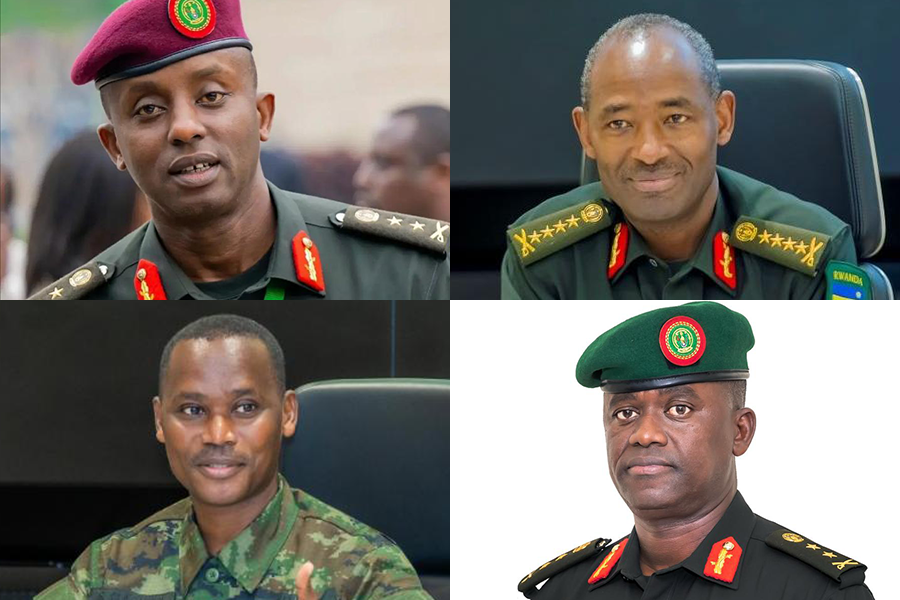
The sanctioned officers include Vincent Nyakarundi, Army Chief of Staff; Ruki Karusisi, Commander of the 5th Infantry Division; Mubarakh Muganga, Chief of Defence Staff; and Stanislas Gashugi, Special Operations Force Commander.
The US action came after M23’s capture of Uvira just days after the December 4, 2025 signing of the Washington Accords.
While the rebels subsequently withdrew, Washington officials maintain that continued RDF support risks escalating the conflict and undermining the accords, which aim to establish peace, cooperation, and economic integration in the Great Lakes region.
“The United States stands firm in its support for peace and stability in eastern DRC and the wider region,” said Thomas Pigott, Principal Deputy Spokesperson.
Rwanda, however, has condemned the measures as one-sided. In a March 2 statement, Kigali said the sanctions “unjustly target only one party to the peace process” and misrepresent the situation in eastern DR Congo.
The Rwandan government accused Kinshasa of repeated ceasefire violations, including drone strikes and ground offensives, and reiterated that it would disengage forces only as the DRC fulfills its obligations under the accords.
Rubio’s visa restrictions, which may also apply to certain family members, are enacted under Section 212(a)(3)(C) of the Immigration and Nationality Act, allowing the US to deny entry to foreigners whose presence could have serious adverse foreign policy consequences.
Analysts say the combined sanctions and visa measures signal Washington’s intent to hold both governments accountable and pressure them toward sustainable peace in a region long plagued by proxy conflicts and rebel activity.
